Passive Radars

RAXAR’s passive radar developments use existing radio transmissions as illuminators of opportunity for target detection, localization, and tracking. The receiving system acquires both reference signals from the illuminators and signals reflected by targets, using coherent processing to extract surveillance information.

The developments encompass experimental demonstrators and distributed sensing architectures, including antennas, RF electronics, multichannel receivers, signal processing, and system integration.

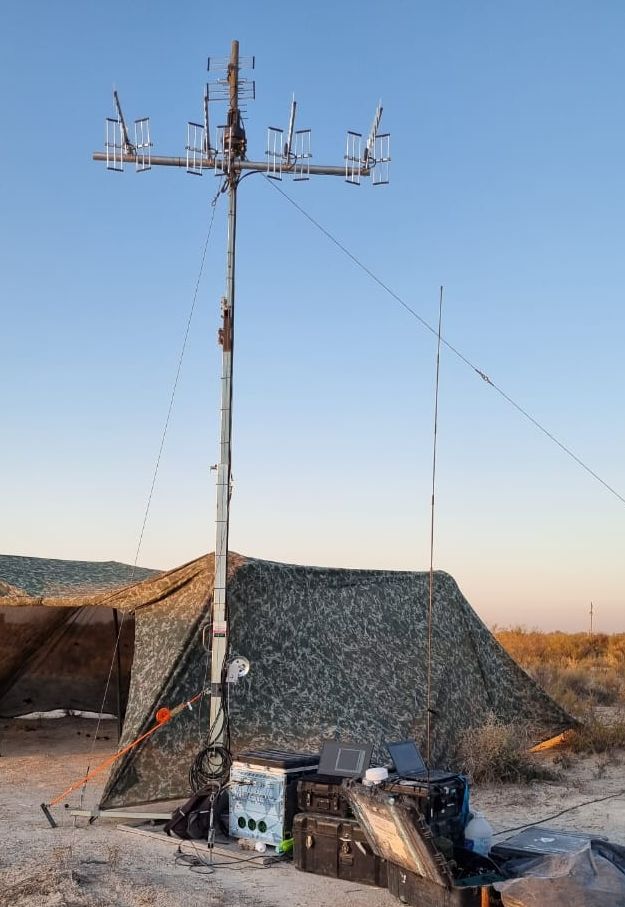
Passive Radar Demonstrator

Technology Demonstrator

The demonstrator uses existing digital television broadcasts as illumination sources, without a dedicated radar transmitter. Its development brings together antenna and RF design, coherent multichannel reception, digital acquisition, beamforming, and detection and tracking algorithms.

The receiving and processing architecture provides a platform for evaluating passive radar techniques under real propagation and interference conditions. System performance depends on the available illuminators, their geometry relative to the receiver and targets, and the characteristics of the operating environment.

The absence of a dedicated high-power transmitter reduces the sensing equipment’s power and cooling requirements. The radar sensing function does not generate its own illumination signal.
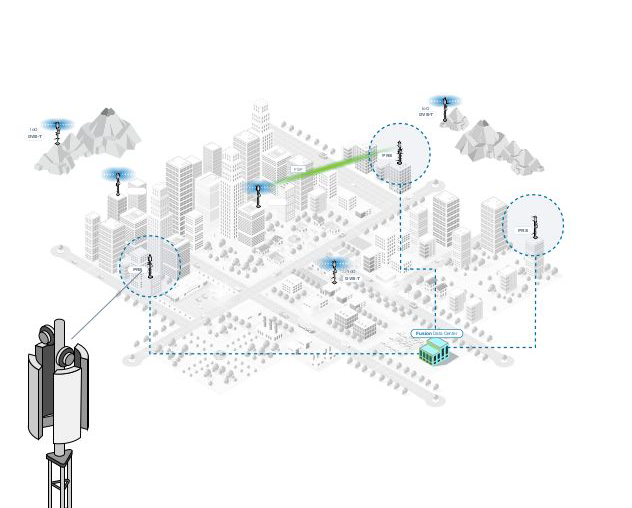
Passive Radar Network

Distributed Sensing Architecture

The distributed architecture combines multiple passive receiving stations with communications and processing functions. Measurements and detection information from individual stations are brought together to provide complementary observations within a common surveillance picture.

Development activities encompass station interfaces, distributed processing, data fusion, and integration with external systems. The architecture accommodates geographically separated receivers, with network configuration determined by illumination availability, receiver placement, communications capacity, and surveillance requirements.